
Diversity of thought drives progress and creativity. Neurodiversity describes the natural differences in our brain function and behaviour. There is no single right way to think or learn. Being neurodivergent doesn’t mean something is wrong; it simply means the brain works differently.
Traditional education often assumes a one-size-fits-all model, but neurodiversity challenges that idea. It reminds us that brains, like fingerprints are unique. Conditions such as autism, ADHD, dyslexia, dyspraxia, dyscalculia, and Tourette’s syndrome are not illnesses, they’re indicators of diverse brain functioning.
My Journey as a Mum of Neurodivergent Children
When I began raising my children, I didn’t fully understand these differences. I only started learning when I noticed that my children processed information differently. Out of experience and observation, I developed my own simple “Theory of Learning.” This helped me understand how they think, and how to adjust my parenting style to meet their individual needs. My theory might help you too.
The Hole in the Thinking Box: My Personal Perception of the Human Brain
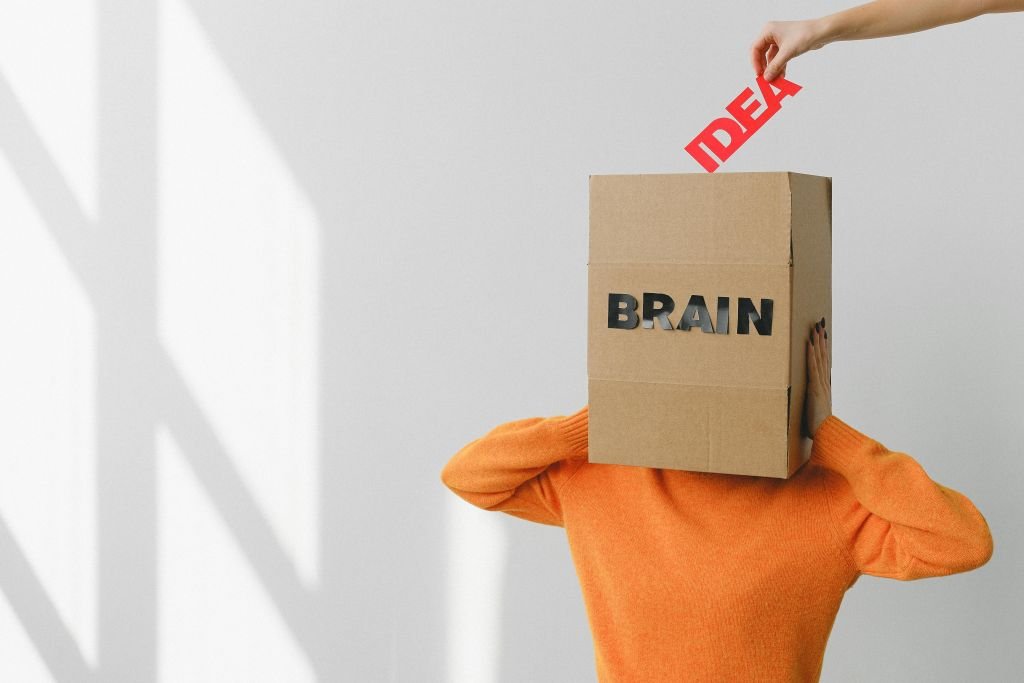
I imagine the human brain as a thinking box; a 3D shaped cube with a hole at the top. This hole is where information enters when we learn, and also where it escapes when we forget.
The Hole Changes Over Time
- In early childhood, I believe the hole is very small. That’s why we teach young children in simple, manageable steps. Once information goes in, it’s less likely to leak out, which may explain why young children remember things so vividly.
- As we grow older, the hole widens. This helps us understand and assimilate bigger chunks of information, and explains why a teenager can understand the lesson in Calculus while a little child cannot. However, because the same hole is the point where information slips out, the older we get, the wider it gets, and the more forgetful we become. A lot of aging adults can relate to this.
- The size of this hole differs from person to person, which explains why children in the same class learn at different speed.
- And, the size of the hole on the box determines an individual’s learning style.
Size vs Style: The Small Hole
I believe one of my children had a small hole that stayed narrow for a long time. This child belongs to a category of learners who need information broken down into tiny bits that can pass through the small hole on their thinking box. They are usually very slow readers who may lag behind their peers in speed and understanding. This is not because they lack intelligence. Rather, they’re usually gifted and talented children who are disadvantaged in a fast-paced learning environment, but advantaged by the strength of their memory. The beauty of the small hole is that once information goes in, it’s difficult for it to slip out. Most children with dyslexia often fall within this category.
The Large Hole
Then, there are children like my second, who absorb information instantly. I believe they have an oversized hole in their thinking box. These are the ones who grasp concepts like magic. They’re able to understand extremely complex information beyond what is normal for their age. They are creative, energetic, full of curiosity, and always ahead of the class. However, their own challenge is that, although they understand quickly, they forget just as fast. The hole in their thinking box is too large for them to retain information. Their learning is characterized by constant activity as information is simultaneously jumping in and out of their thinking box. Most children with ADHD fall within this category.
Thinking Outside the Box: A Metaphor for Divergent Thinking.
One amazing fact about neurodivergent children is that they tend to think beyond the content of that thinking box: they think outside the box. This is a natural adaptation to help them cope with the massive amount of information lying outside their box. They become the inventors, innovators, discoverers, and creators with high critical reasoning skills. Thinking within the box is limited to its size and hole, but thinking outside the box is unlimited, unrestrained, and beyond the rules of logical reasoning which govern the thinking within the box.
Parenting and Educating Neurodivergent Children
Parenting and educating neurodivergent children can be a challenge if we don’t understand individual differences, and tailor our teaching to their learning style.
Unfortunately, a lot of these special thinkers are often misunderstood. We have lost the opportunity to raise geniuses who present with extremely small, or oversized holes in their thinking boxes by labelling them as being learning disabled. These children are punished for always forgetting instructions, and chided for not being focused enough to assimilate basic concepts. We hold them responsible for what is beyond their control.
I remember growing up, how children were withdrawn from school spontaneously and sent to learn a vocational skill because they struggled with academics. A lot of geniuses became vulcanizers, tailors, bricklayers and wielders because their parents and teachers did not understand the concept of neurodiversity. This is still happening today. It’s painful to think that these children might actually be undiscovered geniuses.
A Mother’s Tips for Raising Neurodivergent Children
- Study your child: Assess the size of the hole on their thinking box. The size of that hole determines their learning style. Identify your child’s learning pattern. This may differ from one child to another.
- Look out for learning anxiety: An unconventional learner might display some degree of anxiety when it’s time to go to school or when taught at home. The anxiety may the due to the difficulty they encounter especially if they lag behind their peers in school.
- Get professional assessment and diagnosis: This gives you clarity. It’s important to be aware and understand what the challenge is. Thereafter, you can devise solutions.
- Tailor learning to individual need: For small-hole learners, break information into small pieces. For large-hole learners, repeat and reinforce concepts often. Teach according to need.
- Provide additional support at home: No school can do it all. A school is structured to educate tens, hundreds and sometimes thousands of learners. No matter how much they try, their effort may not be enough. A lot of geniuses are home-discovered and home-schooled.
- Permit your child to think outside the box: Either the hole is too small to let information in quickly enough, or too large to hold down information within the box, thinking outside the box is the unique strength of these neurodivergent children. Don’t restrain their thinking.
- Always ask a child for help when you need a broader perspective: Ask them for ideas. Some of their responses will be hilarious, but in the midst of it will be novel ideas. Their unique perspectives often reveal insights adults miss.
- Encourage your child to think twice: To always think within the box, and outside the box.
Celebrating Neurodiversity
I made two key adjustments while raising my neurodivergent children. For my first, I broke down information into small, digestible pieces. Over time, his “hole” widened naturally. For my second, repetition was key, and she later developed her own learning pattern with reminders and sticky notes covering her walls.
Today, I celebrate neurodiversity. I recognise and embrace the natural variations in how human brains function, learn and retain memory. I have shifted my focus from viewing conditions like autism, ADHD, dyslexia, and others as deficits, to appreciating them as unique ways of thinking and being.
There’s nothing wrong with children who learn differently, they simply need an environment that fits their way of thinking. It is our responsibility as parents and educators to adjust to meet their needs.
Let’s remember that some of the most brilliant innovators and inventors in the world struggled in school because they were neurodivergent. Traditional education didn’t meet their needs. Good parenting did.
Read https://www.southeastiowaunion.com/pioneer-republican/how-a-mothers-love-transformed-a-life/ to learn how a mother’s love changed the life of her neurodivergent son: Albeit Einstein.