
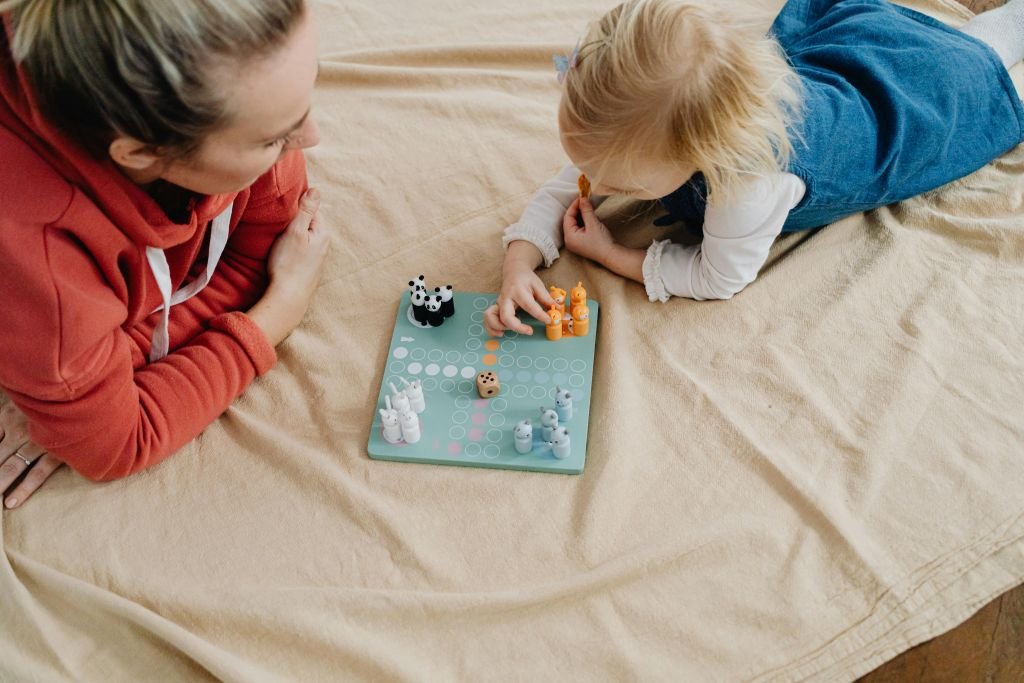
In today’s fast-paced, achievement-driven world, play often takes a back seat in most adult’s busy schedule. Many people see games merely as entertainment; something to pass the time, keep the children occupied, or just for fun. Yet, beneath the surface of those simple activities lies a powerful engine that builds the three domains of human growth and development: physical, cognitive and socioemotional. Whether it’s a child stacking blocks, teenagers playing chess, or adults enjoying word puzzles, games have a remarkable ability to build big, lifelong skills.
A Childhood Lesson in Learning Through Play
Growing up, my mother loved playing Ludo; a strategy-based board game played with the throw of two dice. I was her favourite game partner. At first, it was all about fun, but as I began adding up the numbers on our dice, something deeper was happening. The repeated mental calculations strengthened my arithmetic skills. Over time, I could do additions in a flash. Those long evenings of playing Ludo became informal lessons in mathematics and social interaction.
Playing Ludo also taught me focus, and fine motor skills as I moved my tokens across the board. It taught me to celebrate victories gracefully and accept defeats with calm. Without realizing it, I was learning resilience; the skill that now helps me navigate challenges in life. For me, what started as a child’s pastime quietly laid the foundation for a lifelong love of numbers and strategic thinking.
Learning Through Play
Learning through play refers to educational experiences that arise naturally during playful activities. It occurs while children are actively engaged, motivated, and enjoying themselves. Thus, it nurtures all three domains of human development in ways that feel effortless.
Parenting with Purpose: Building Skills Through Simple Games
I understood the power of play first-hand, and intentionally used it to nurture different skills in my children. For the child who did everything slowly, I introduced electronic racing games to build speed and quick decision-making. For the impatient one, I got complex Lego sets that demanded focus and patience.
Games like Chess and the traditional West African Ayo (a wooden board game) became our tools for building intellect, strategy and critical thinking. Card games and Ludo helped strengthen mental math skills. We even invented our own rules involving addition and subtraction to make learning more exciting.
Word games, Scrabble, and storytelling activities expanded their vocabulary, while collaborative games taught teamwork, social connection and fair play. Most importantly, these playful moments brought us closer as a family.
Play is for Everyone
Many adults believe play is for children. The truth is; play benefits everyone. Adults who know the hidden power of playing games can harness it to boost mental alertness, emotional intelligence, and even physical health.
Indoor games are fun activities that physically help with fine motor skills and resilience. Outdoor games build gross motor skills, coordination and endurance. Cognitive advantages include improving critical thinking skills, problem-solving, decision making and creativity. Playing games helps adults with emotional control because adults also win and lose at play.
One of my children, now an adult, still uses the power of play as a tool of social connection: first with friends at school, and now with colleagues at work. They’re constantly organizing games evenings: a practical demonstration of the social skills built through play.
Playing games helps relieve stress, build social connections, cooperation, and may help with conflict resolution. Workplaces that encourage team-building games foster collaboration, innovation, and communication skills that directly translate into higher productivity and morale.
Power of Play: The Elderly
Play doesn’t lose its value with age. Rather, it’s repurposed. For the elderly, games are more than entertainment; they’re mental workouts that keep the brain active.
Every game presents a challenge: a danger to avoid, an obstacle to overcome, or a goal to achieve. This built-in problem-solving component trains players to think critically and adapt strategies when faced with setbacks. Constantly engaging in activities that require deep thinking may help maintain incisiveness, and improve memory in the elderly.
Conclusion: Never Stop Playing
Play is important for our overall wellbeing. Playing games builds real-life skills: we strategize, take risks, face challenges, collaborate, and adapt just as we do in our careers, relationships, and daily lives. Through play, we build resilience, creativity, and problem-solving skills in a way that feels natural and enjoyable.
This Christmas, when you enter a store to buy a toy for that child, remember that toys are not just for keeping children busy, they’re for developing skills. We can design how we want to teach basic life-long skills to our children: one great way is through play.
But not only children, adults also need all of the benefits that come with playing games. The brain is an organ that strengthens, grows and changes with constant use and challenging activities. Let’s keep it active by making out time to play games.
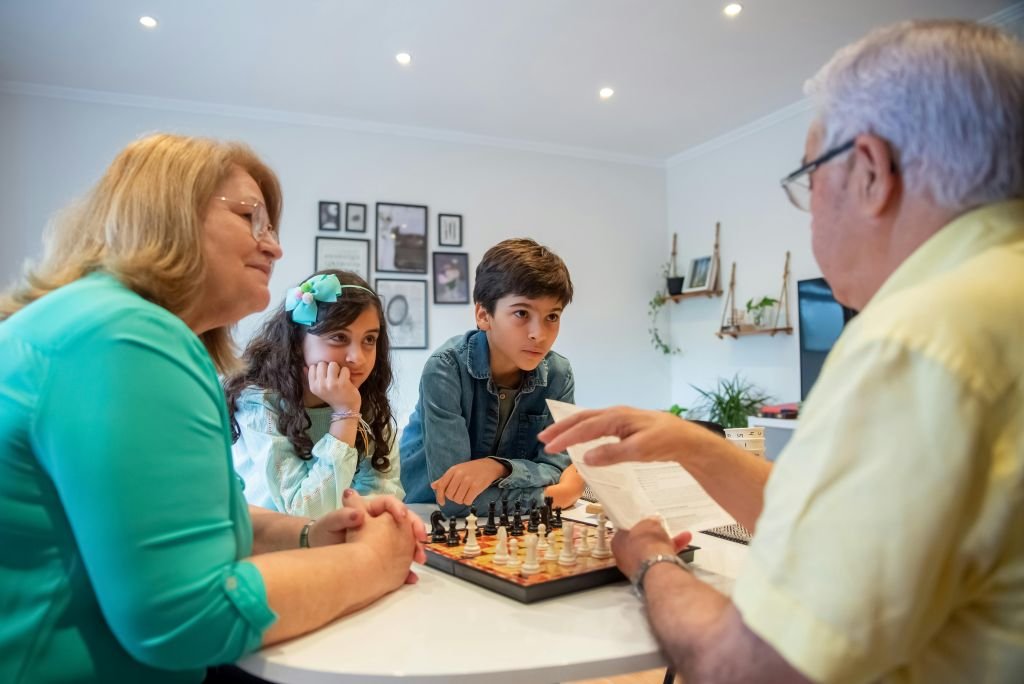
Games bridge generations. The Power of Play bonds children, parents and grandparents.
In a world that often prizes productivity over play, it’s easy to underestimate the benefits of playing games. Games bridge generations, cultures, and backgrounds. These simple activities are powerful teachers. Through play, we build the very skills that shape our character: emotional control, patience, resilience, focus, and good decision making.
The elderly are not left out. Next time you’re gifting, get them games that challenge their mind and foster sagacity. Board games, puzzles, and card games should suffice. For those who live alone, eye-friendly electronic device for digital games can be a useful tool. Strategy-based video games develop planning and adaptability, while interactive games improve focus and hand-eye coordination.
And whenever you visit, get out a board game and challenge them to some critical thinking. The power of play brings children, parents and grandparents to the same table, building skills, maintaining bonds, and slowing the decline that comes naturally with aging; while sharing joy and laughter.
The fact is: play is for everyone.