
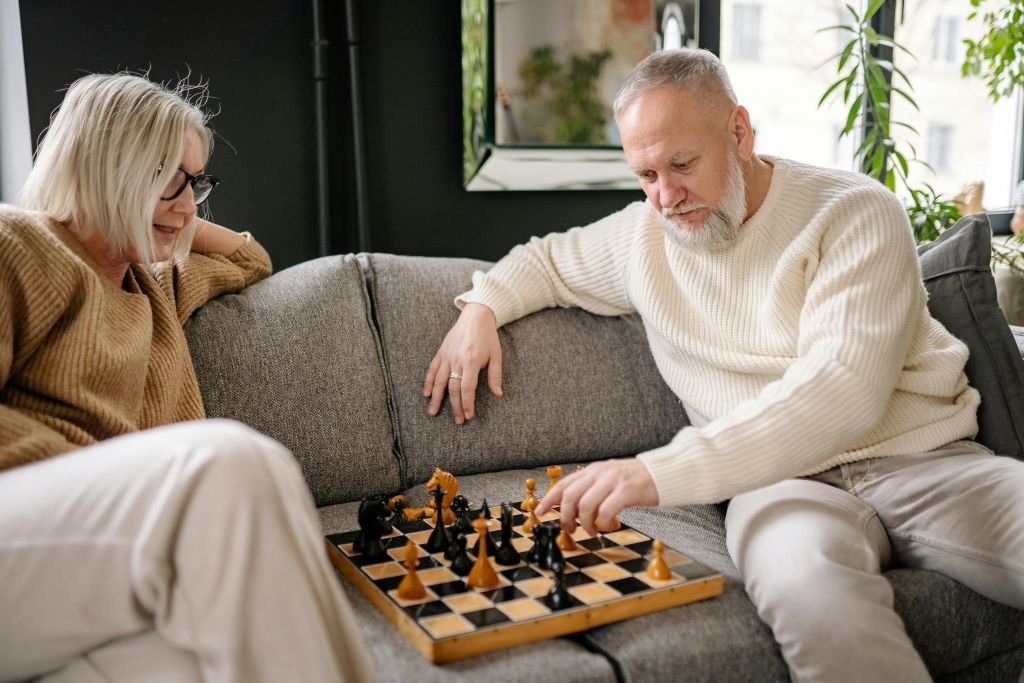
The fear of what we haven’t seen or experienced is real. No one knows what the future holds. We either live in fear of the worst or in hope for the best. Just as the fear of retirement lurks in the minds of ageing workers today, so is the hope for the most vibrant and fulfilling chapter of life. The choice is ours.
As a child, I harboured two significant fears: that of snakes and ghosts. My fear of ghosts wasn’t rooted in any real encounter but in stories I had read, the movies I had watched, and the vivid imagination I possessed. Ghosts are intangible, mysterious and unpredictable, which makes them all the more terrifying.
In much the same way, retirement is a ghost to many adults today. Though not a supernatural phenomenon, it disquiets the minds of aging workers, evoking unease and uncertainty.
By definition, retirement is the end of one’s formal work life; a time when you bid farewell to your professional role without transitioning into another job. On the surface, it should symbolize freedom, rest, and well-earned peace. After decades of wake-up alarms, deadlines and responsibilities, one might imagine retirement as a reward; an open road of flexible schedules, quiet mornings, and long-awaited leisure travels. But for many, retirement is not a celebration, it’s a haunting.
To understand why retirement elicits such anxiety, I spoke with family members and friends as they approach their retirement journey. Their concerns, while unique, echoed one another with striking regularity; an underlying fear of what lays ahead.
My friend Susan is a chemical engineer, now executive director in a multinational oil and gas company. She is an accomplished professional with nearly four decades of high earnings under her belt. She has amassed substantial savings, a robust pension, and enjoys a comfortable lifestyle. Still, she fears that her financial cushion may not outlast her lifespan. Her concern is not rooted in lack but in uncertainty; she wonders whether the unknown number of remaining years she will live for will erode the wealth she has carefully built. Her worry is compounded by inflation, market volatility, and unpredictable medical expenses. The fear of losing financial independence overshadows the excitement she once felt about leisure and relaxation.
I spoke with another friend, an interventional cardiologist renowned for his skills and dedication in the field of medicine. For decades, his identity has been wrapped in his ability to fix hearts and save lives. Retiring from his career feels like putting away more than just a stethoscope; it means letting go of a calling. For him, the scariest part of retirement isn’t financial, it’s existential. After living a life of high purpose and intense engagement, he finds the prospect of unstructured days deeply unsettling. His greatest fear is waking up morning after morning without a reason to get out of bed.
Olivia had always seen retirement as a shared dream. She and her husband, both childhood sweethearts, had spent their lives imagining post-retirement bliss: fishing trips, travelling, and ticking off an entire bucket list together. They planned meticulously, saved for decades, and even purchased a boat for their future adventures. But fate had other plans. Olivia’s husband died in a ghastly road accident just a couple of years before their retirement date. Since then, work has been her anchor, a distraction from grief, the only place she gets to interact with people on a regular basis. Now, as she nears retirement, what once seemed idyllic now feels isolating. Her fear isn’t of finance or finding a new purpose, but of loneliness.
These stories paint a picture of the ghost as financial insecurity, loss of identity and social isolation. There are many more as everyone’s path is different. But, a common thread unites them all: apprehension.
The best way to tackle this fear is by looking at older family members, friends and associates who have retired earlier and are thriving! With intentional physical, financial and psychological preparation, it can become the most enjoyable season of life.
So, my advice is; start planning.
- Plan your Finances: Get Comfortable with the figures. You don’t need to be a financial wizard to plan for retirement, but having a grasp of basic arithmetic is crucial. If numbers overwhelm you, enlist the help of a financial advisor. A well-informed advisor can help you: evaluate your savings and create a realistic withdrawal strategy, calculate whether to downsize or pay off your mortgage, eliminate other lingering debts, optimize your investments and consolidate your pension plans. It’s important to understand your monthly and annual spending habits. Where possible, start cutting back on unnecessary expenses. Adjust your shopping habits and avoid competing with younger professionals who are at the peak of their careers. You don’t need to match your 40-year-old son’s luxury car brand! Retirement is a season of scaling down, not showing off.
- Reinvent Your Purpose: Your profession may end, but your purpose doesn’t have to. You can start planning new avenues that offer meaning. Find out about volunteering for causes you’re passionate about, mentor younger professionals and students, take up writing, teaching and learning something new, explore spiritual or community-based roles. The key is to stay engaged in something that makes you feel valuable. Finding a new purpose will transform your free time from emptiness to fulfilment.
- Prioritize Experiences Over Possessions: Retirement isn’t about buying what is trending, it’s about making memories. Plan experiences that gladden your heart and enrich your life. Travel to places you’ve always dreamed of, spend more time with your loved ones, take up a new hobby or sport. You can plan for these experiences without putting a hole in your pocket. Book cheap off-season holidays, and book way ahead. Play grandpa or grandma games with your grandchildren, do school runs, watch school plays and enjoy family life. Eat out less and cook more, try out different recipes, after-all you’ve got all the time in the world now.
- Cultivate Social Connections: With more freedom and flexibility, it’s time to flap your wings as the social butterfly. Plan more reunions and reconnect with old friends and classmates, join social clubs and community gatherings, open your doors to family and friends, host gatherings, attend functions, or join a faith-based group. Plan everything to stay socially connected. Social media has also made staying home less isolating. Download different social media platforms and see the world from the comfort of your home. Connect with family and friends online. Humans are inherently social creatures. Stay connected; it’s good for your heart and your mind.
- Choose Sustainable Hobbies: There’s no need to spend a fortune on hobbies. While polo lessons at $250 an hour may sound exciting, they may not be sustainable. Rather, plan budget-friendly sports like golf, or go totally free with walking. Start a garden, plant roses, they love a lot of tender loving care. Join a local book club, an art or dance class. Read, sew, knit, write a book, learn music or a new language through free online courses. The internet is a great place to learn new things and connect with people that share your interest, all at no cost. Often times, the most rewarding experiences are free. The goal is to keep your mind and body active, not your credit card.
- Invest in Your Health: Retirement is the perfect time to focus on your physical and mental health. You’ve worked hard for decades, your body deserves care and attention. Plan routines that support longevity and wellness: get regular check-ups, exercise regularly, eat a balanced diet, sleep well, practise mindfulness and meditation. Lastly, pray. One thing we have no control over is our declining health after retirement. Aging is natural and may come with illnesses. The most important thing is to tick all your wellness boxes and hope for the best.
Personal Reflection
Retirement, like any major life transition, brings its share of fears. But fear is often the product of uncertainty and lack of preparation. The ghost of retirement loses its power the moment we acknowledge it, prepare for it, and welcome it with open arms. Then it will no longer be the fear of the unknown but the act of embracing the opportunity to redefine life on our own terms. With thoughtful planning, open conversations, and a shift in mindset, retirement can transform from a ghost into a guest, a pleasant one.
So, rather than dreading what lies ahead, let’s reframe retirement as a season of renewal. It’s not the end of life’s productive journey but a pivot into a freer, more self-directed chapter. Whether it’s spending time with family, learning a new skill, writing a memoir, or simply enjoying quiet mornings with a cup of tea, retirement offers endless possibilities.
Lastly, as unbelievable as it may sound, it is noteworthy that there are people who retire after decades of hard work with empty pots (no pension, no savings), unfulfilled dreams and no social wealth. There are also those who never had the opportunity to build a career or save for the future. This is true and more common than you think. They retire with hope. They survive and sometimes thrive. So, count your blessings.