
Compassion is not a lofty ideal reserved for the privileged, but a virtue accessible to anyone, no matter their station in life.
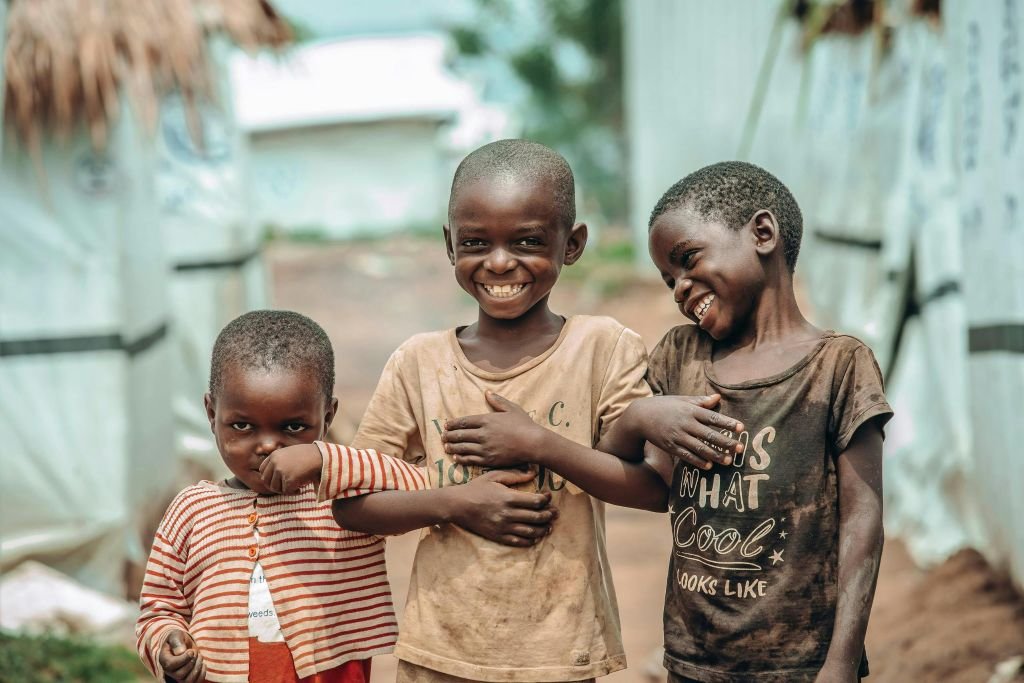
I witnessed an act of compassion recently that warmed my heart about humanity. It didn’t come from the pulpit, a philanthropist or a political leader. It came from a street urchin: a little boy clothed in rags, and covered in dust, but with a smile so beautiful, it could brighten the darkest day.
This was an act so small, yet so profound, that it forced me to rethink what it means to feel the suffering of others, and to act within my capacity to alleviate it.
There is a busy traffic light in town, where beggars and street children gather almost ritualistically to beg for alms. To them, it’s not just an intersection of roads, but a place of livelihood.
Many would rush forward with rags or squeegees, smearing people’s windscreens with more streaks than before, calling it an act of “service” before requesting alms. I used to find them annoying and always hoped for a free flow of traffic and green light whenever I drove past. But one afternoon changed it all.
The traffic was unusually heavy on that day, such that having the light on green didn’t make much of a difference. I was stuck in the traffic long enough to truly observe the street children. One little boy caught my attention as he stood, begging for alms from the passengers in the overcrowded taxi that was right beside my car. His clothes were tattered, his shirt barely hanging together by the threads, but his face carried warmth, and a smile that felt out of place in such hardship.
I watched as he spoke to the passengers in the rear seat, and with a practised motion, cupped his fingers into a C shape and pointed them towards his mouth and stomach, signalling hunger. Rather than giving him alms, one of the passengers made the same hand gesture to the urchin indicating that he was hungry too.
What happened next shocked me.
Without hesitation, this little boy reached beneath his ragged shirt, unzipped his fanny bag, and took out some money from whatever he had managed to collect from strangers on that day. With utmost sincerity, he offered it to the passenger. A beggar offering alms to another person!
The passenger, visibly shocked, declined with a shake of his head. The other passengers in the car were equally surprised. After a brief interaction with the little boy, they dismissed him.
Then I beckoned to him when he looked in my direction. He walked over to me, still smiling. I asked about his mother, and he pointed to a woman seated across the road. That showed somebody was looking out for him. Then, with curiosity burning in me, I asked the question that was on my mind, “Why did you offer that man your money?” His response was simple, yet impactful.
“Hunger is not good, nobody should be hungry,” he said.
Those words were not rehearsed, nor were they an attempt to impress me because he didn’t know I was going to question him. They flowed from a heart that understood suffering too well. This child had almost nothing, yet he carried within him the ability to give.
I had often seen beggars share food among themselves, or passing around a bottle of water. But this was the first time I had witnessed one offering money, the very lifeline they struggle to collect each day. It was compassion distilled in its purest form.
Compassion is a deep feeling of concern and sympathy for the sufferings of others, and taking actions to help. It goes beyond empathy. While empathy allows us to feel another’s pain, compassion means a step further; it moves us to act. It is not enough to feel sorry for someone, true compassion implies that we do something within our capacity to alleviate their suffering.
And this little boy, who survives on the mercy of the streets, understood what many of us with full bellies and comfortable homes often forget; true compassion.
Compassion is not innate, it is learnt, practised, and cultivated. We are not born knowing how to share; we are taught, sometimes by those around us, and other times by life’s harshest lessons.
The street urchin had learnt compassion by living off the benevolence of others. This has shaped him, and taught him that giving is part of humanity. In his world, generosity is culture.
We hope that our children will not learn through hardship. That is why teaching our children true compassion must begin early within our homes.
We do not want to raise children who become adults that struggle to look beyond their needs and wants, who become motivational speakers but cannot practise what they preach, who become heads of big organizations but are reluctant to give compassionate leave because it hurts the company’s productivity, who lead in governance but are insensitive to the suffering of the masses.
We want to raise children who carry the generous spirit of that street urchin; the ability to give even when they don’t have much, and to become adults who give their time, their effort, their love, their resources, everything within their capacity to alleviate the pains of others.
But how do we teach compassion? How do we teach our children to not only empathise but to act on it? I can tell you for sure that children learn best not from instructions but from modelling. When they see us living compassionately, they absorb it like sunlight. So parents,
- Model generosity in everyday life. Let your children see you donate, share, and serve without expecting praise.
- Start small. Encourage them to share their toys, books, or even their time with others.
- Introduce them to community service. Take them along when donating to charity shops, visiting orphanages, or supporting local shelters.
- Get them involved in caring. Let them help out with the care of the family pets and the garden. Get them to care for living things.
- Teach sacrificial giving. Beyond giving away things they no longer need, encourage them to part with something valuable. This teaches them that true giving costs us something.
- Encourage empathy through stories. Read books and tell stories that highlight kindness and resilience. Tell them the story of this generous little boy.
Personal Reflection
The irony of life is that the most profound lessons often come from the marginalized: those whom society overlook. Street children, beggars, and the homeless, though stripped of comfort, often embody values we lose in abundance.
They know the sting of hunger, so they share. They know the ache of loneliness, so they embrace togetherness. Hardship helps them develop resilience. They live off the benevolence of others, so they learn generosity.
Now I no longer get annoyed with them. Rather, I view them as my teachers in the school of life. And next time you pass by these ones, don’t just avert your gaze. Look closer. Life lessons abound everywhere.
That little boy at the traffic stop taught me more about compassion in a single gesture than years of motivational speeches could. He showed me that generosity is a virtue that shines the most, not in abundance but in hardship.